Recently, three railways including the Lop Nur to Ruoqiang Railway, 11 highways including the Yuhang Huawu to Fuyang Gao Bridge Section Project of National Highway 320, and one airport project, as well as the Hefei Xinqiao International Airport Flight Zone and Work Area Expansion Project, have successively won the national/ Approvals from provincial/municipal Development and Reform Commission, Ministry of Natural Resources, Provincial Department of Transportation and other departments. The approval content includes work permit, environmental impact report, preliminary design, construction land, project proposal, etc., with a total project investment of approximately RMB 96.6 billion. According to relevant data, the above 15 railway and highway projects are approved and may bring demand for more than 40 million tons of sand and gravel.
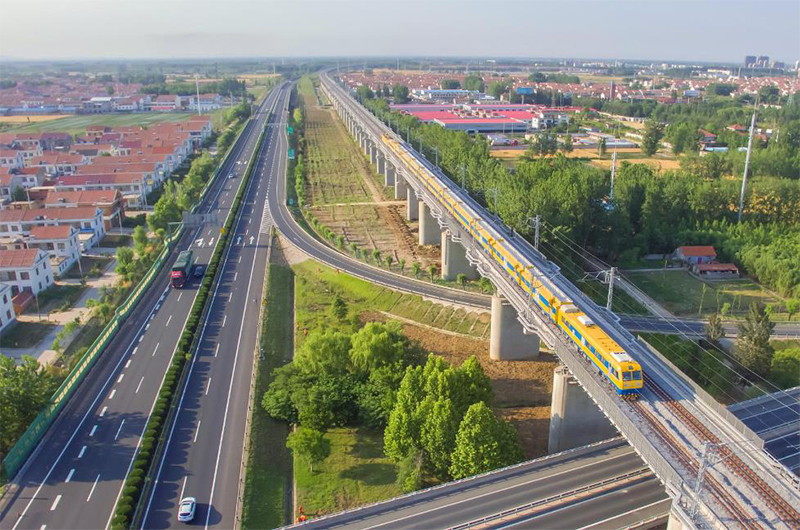
(Highway and Railway)
1. What are the requirements for sand and gravel suitable for railways and highways?
1. Particle size distribution: Sand and gravel aggregates should have a reasonable particle size distribution, which means they should contain particles of various particle sizes. This helps to form a solid structure, reduce pores and improve density.
2. Sturdiness: The aggregate should have sufficient strength and wear resistance to resist loads and pressures of vehicles and trains. Stronger aggregates can reduce deformation and wear.
3. Physical stability: The aggregate should have good physical stability to prevent creep or settlement caused by moisture and pressure.
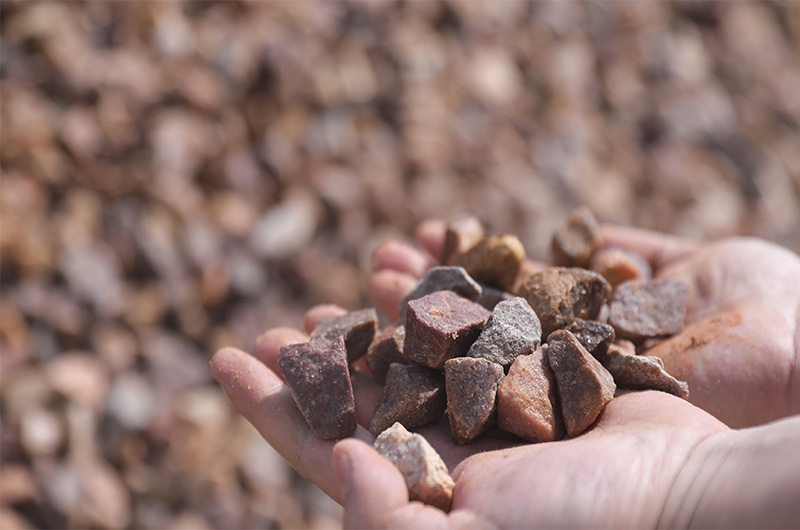
(Made Sand and Gravel)
4. Inside friction angle of height angle: Sand and gravel aggregates should have sufficient inside friction angle of height angle to ensure that slippage is not prone to when the vehicle is driving.
5. Water absorption: Sand and gravel aggregates should not be too absorbed, because excessive water absorption may lead to icing, softening or other adverse effects.
6. Durability: High-quality aggregates should have good durability and can maintain their performance under long-term use and harsh conditions.
7. Non-corrosiveness: Sand and gravel aggregates should not have corrosive properties to railways, highway materials and facilities to ensure the life and safety of railways and highways.
2. How to produce sand and gravel aggregates for railways and highways?
1. Raw material selection: First of all, you need to choose the appropriate raw materials, usually high-quality natural stone, such as granite, limestone, basalt, etc. These stones should comply with relevant standards and requirements, such as hardness, firmness, wear resistance, etc.
2. Crushing and sand making: The raw materials are initially crushed through a jaw crusher, and then they are further crushed and made through cone crushers, impact crushers and other equipment to obtain the required particle size.
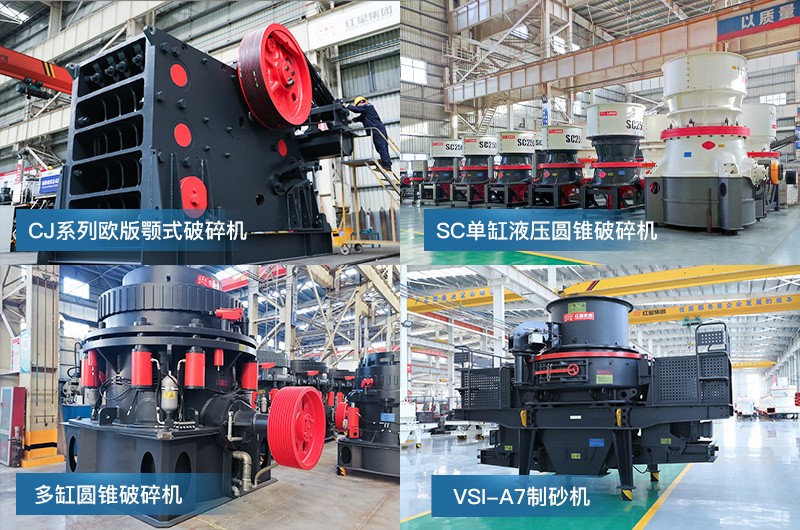
(Hongxing Group·Sandmaking Equipment)
3. Screening: The crushed stone is graded through the screening equipment, and the stones of different particle sizes are separated to obtain sand and gravel aggregates that meet the requirements.
4. Washing: Sometimes it is necessary to clean the sand and gravel aggregate to remove impurities such as soil, dust and other impurities and improve the cleanliness of the sand and gravel aggregate.
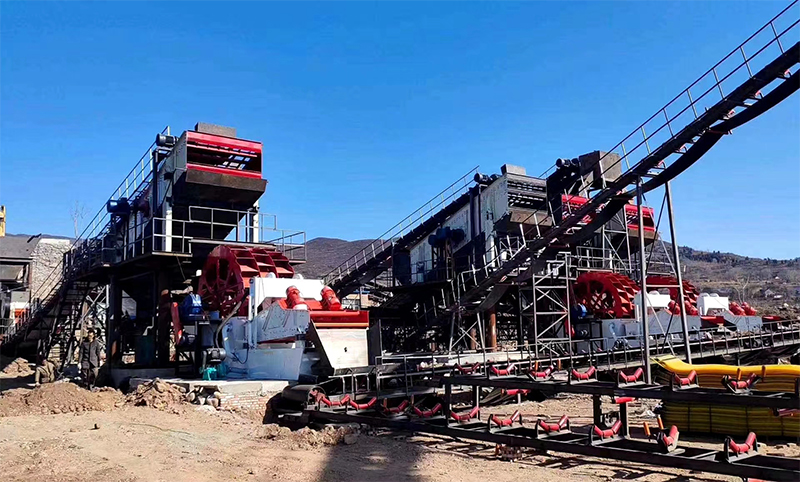
(Red Star Crushing Production Site)
5. Quality inspection: Quality inspection is carried out on the produced sand and gravel aggregate to ensure that it complies with relevant standards and requirements.
In the areas involved in these 15 railway and highway projects, sand and gravel enterprises can improve the sand and gravel production process and improve the quality of sand and gravel to strive for industry competitiveness and continuously contribute their own strength to national infrastructure.