In 2023, sand and gravel prices in the country rose and fell. In June, sand and gravel prices along the Xijiang River and Shanxi, Guizhou and other places remained stable. The prices of sand and gravel at Chongqing, Chongqing, Chongqing, Chongqing, Hunan, Qingdao and the Yangtze River ports all showed a downward trend. .
——After the price of machine-made sand and gravel at the Yangtze River Port rebounded in March, it experienced a "wide-range" decline from April to June. The Shanghai area of mechanism sand fell by 5 yuan/ton from the previous month, and the price of natural sand along the Yangtze River rose, with an increase of 5-7 yuan/ton from the previous month.
——The price of sand and gravel in Chongqing and western Chongqing fell by 2 yuan/ton compared with the previous month, and the high-quality mechanism sand in eastern Chongqing fell by 5-6 yuan/ton compared with the previous month. The price of sand and gravel in Hunan has risen and fallen, with a rise and fall of approximately 1- 2 yuan/ton.
——Shandong Qingdao Pingdu Machinery Sand rose by 11 yuan/ton.
The rise or fall of sand and gravel prices in these areas is affected by many factors: Hongxing Group analyzes the reasons for your reference:
1. Market supply and demand situation: The supply and demand relationship of sand and gravel in the market is the most important price determinant. A tight supply or a surge in demand may lead to price increases, while an oversupply or a decrease in demand may lead to price declines.
2. Raw material cost: Raw materials and equipment are required to produce sand and gravel. The fluctuations in raw material prices, such as mining costs, blasting costs, etc., will directly affect the production costs and final selling prices of sand and gravel.
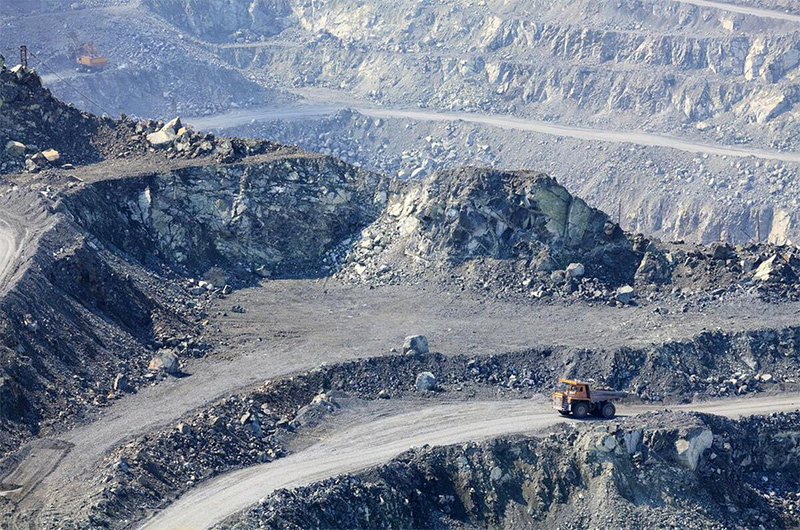
(Mine mining)
3. Transportation cost: The transportation cost of sand and gravel is usually an important factor affecting price. If the sand and gravel production area is far away from the market or transportation is difficult, transportation costs will increase, which will affect the final sales price.
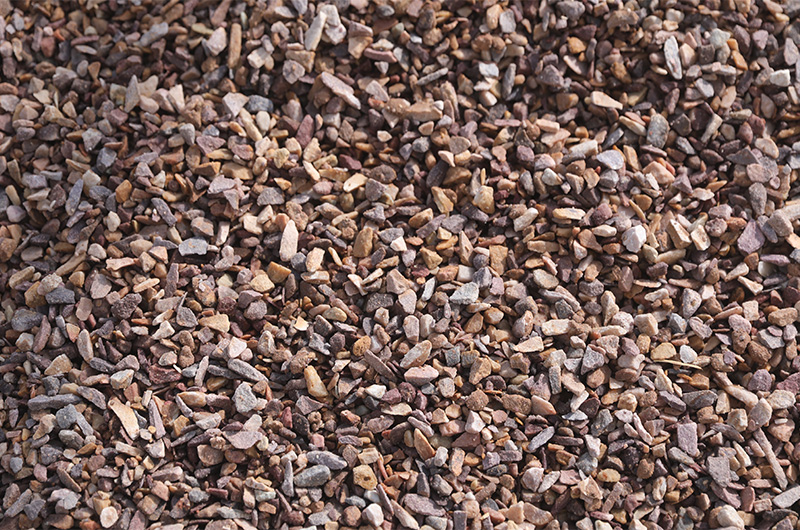
(Made Sand and Gravel)
4. Seasonal demand: The demand for sand and gravel in some areas may be related to the season. For example, during the peak construction season, sand and gravel demand may rise, while in the off-season it may fall, which will affect price fluctuations.
5. Environmental Protection Regulations: Changes and implementation of environmental protection regulations have an important impact on the sand and gravel industry. Strict environmental standards may lead to higher production costs, which will have an impact on prices.
6. Economic status: Macroeconomic status plays an important role in the demand for construction and infrastructure construction. When the economy is booming, construction activity increases, demand increases, and prices may rise; when the economy is in a recession, demand decreases, prices may fall.
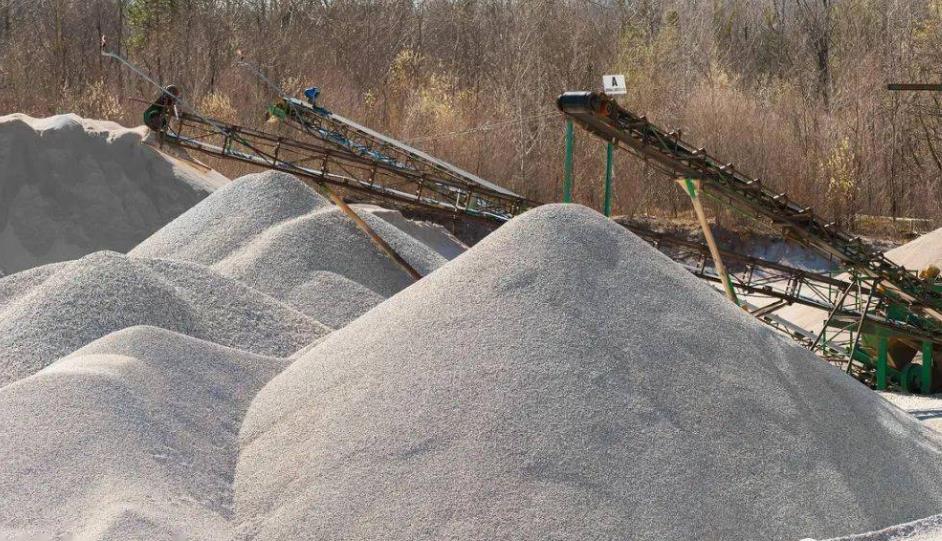
(Made Sand)
7. Competitive pattern: The competitive pattern in the market will also affect the price of sand and gravel. If there are multiple suppliers in the market, competition is fierce and prices may be relatively stable or decline. Conversely, if there are fewer suppliers or monopoly, the price may be higher.
To sum up, the price of sand and gravel is a complex system that is affected by a combination of multiple factors. These factors intertwined, resulting in price fluctuations and changes. Sand and gravel companies can appropriately adjust their production operations according to local market conditions to maintain healthy and stable development.