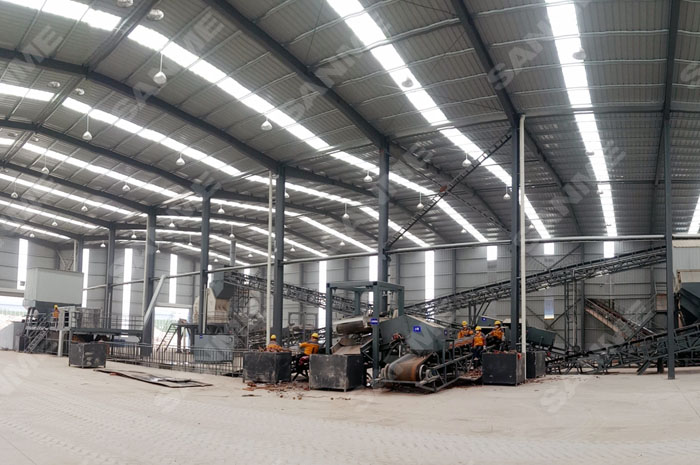
With the acceleration of my country's urbanization process, the construction industry has flourished, and a large amount of construction waste has also been generated. If these construction waste are not properly disposed of, it will not only occupy land resources, but will also have a serious impact on the environment and human health. Therefore, the resource treatment and recycling of construction waste have become an urgent problem to be solved. This article aims to explore the selection and optimization strategies of construction waste disposal equipment, in order to provide reference for practice in related fields.
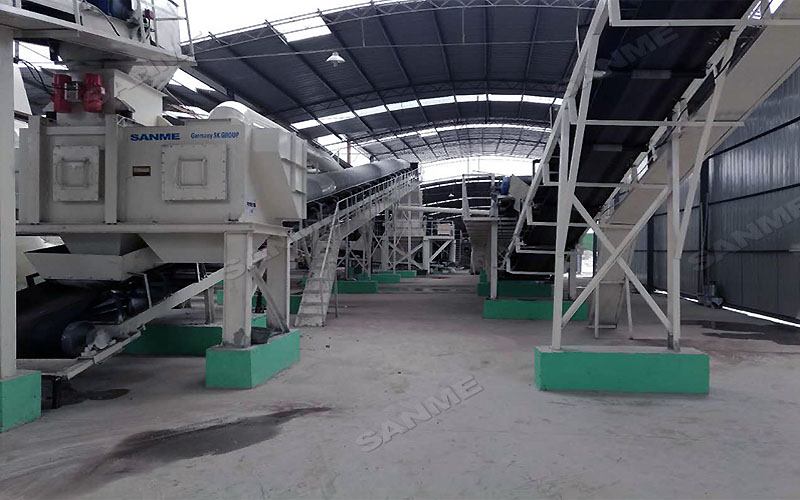
1. Classification and characteristics of construction waste
Construction waste can usually be divided into four categories: solid waste, decoration waste, demolition waste and construction residue. Solid waste mainly comes from the land excavation and backfill process; decoration garbage is generated from the indoor and outdoor decoration process; demolition garbage mainly refers to the waste generated during the demolition process of building; building residues include waste concrete, waste bricks and tiles and other building materials. . There are many types of construction waste, and different types of construction waste require different treatment technologies and equipment.
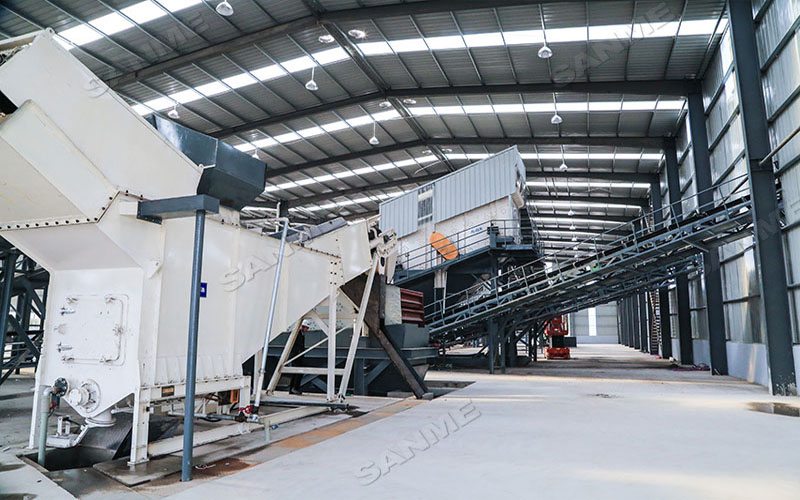
2. Selection of construction waste disposal equipment
Fixed crusher is a commonly used type in construction waste treatment equipment. It has the characteristics of simple structure, large processing capacity and high crushing efficiency. Fixed crushers are suitable for large construction waste treatment enterprises and have the advantages of large production capacity, good stability and convenient maintenance.
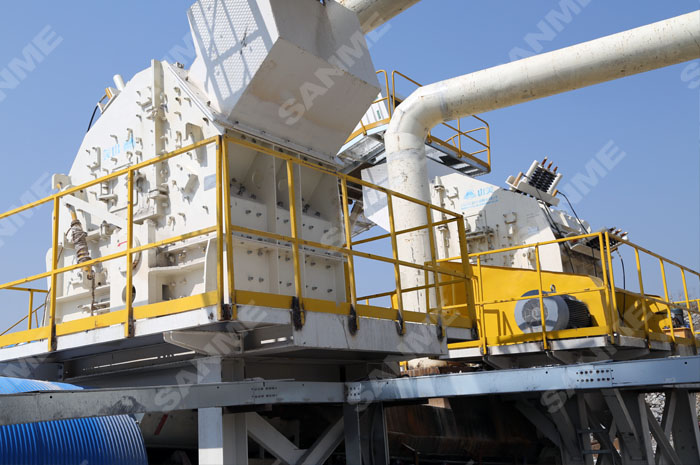
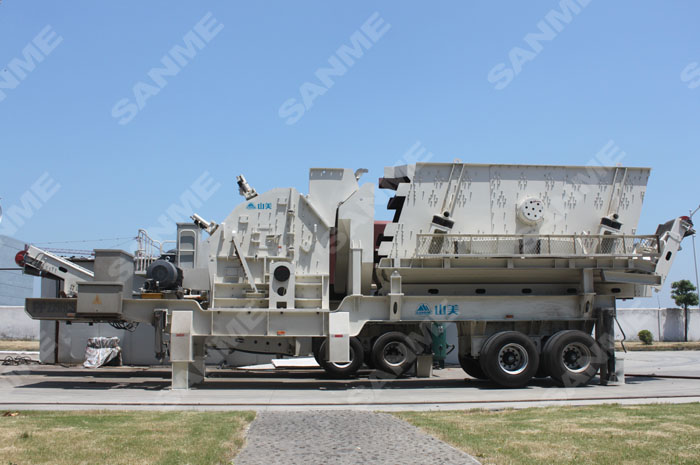
2. Mobile crushing station
Mobile crushing station is a new type of construction waste disposal equipment. It integrates crushing, screening, transportation and other processes into a car, and has high flexibility and mobility. Mobile crushing stations are suitable for medium and small construction waste disposal enterprises, and have the advantages of compact equipment, convenient movement and quick installation.
3. Screening equipment
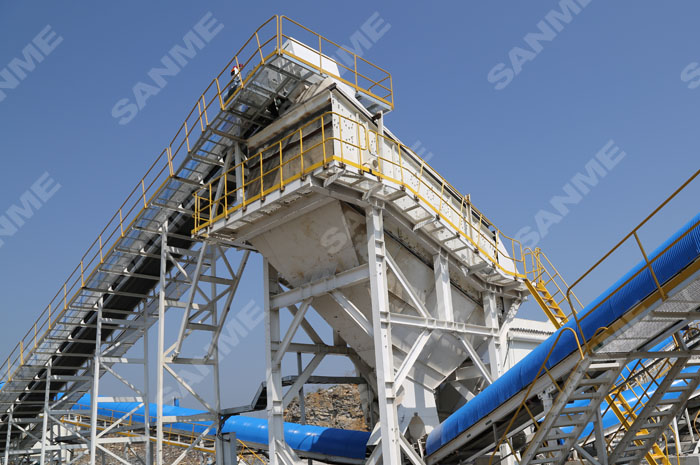
Screening equipment is used to separate useful substances from useless substances in construction waste. Useful substances can be recycled and used for treatment. Screening equipment includes vibrating screens , roller screens, etc., which can be selected according to screening requirements.
3. Optimization strategy for construction waste disposal equipment
1. Technology upgrade and transformation
Through technological upgrades and transformations, the processing efficiency of the equipment can be significantly improved. For example, the use of new materials and processes can improve the durability of the equipment; the introduction of intelligent control systems can achieve automated operations and reduce manual intervention.
2. System integration and automation
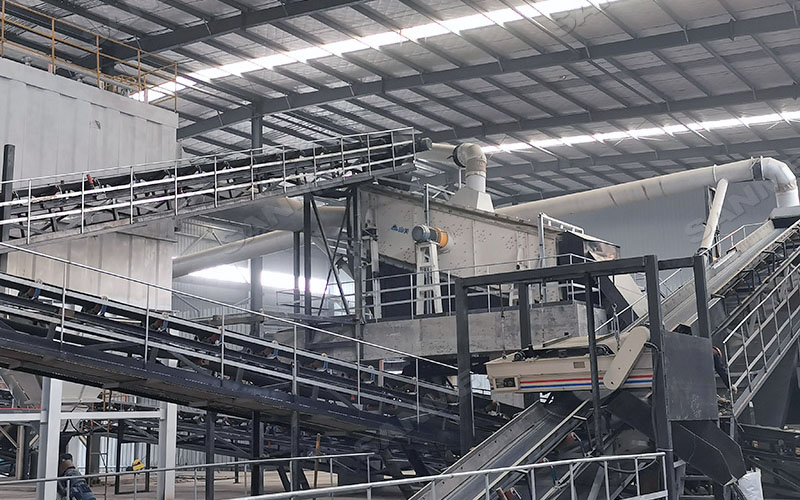
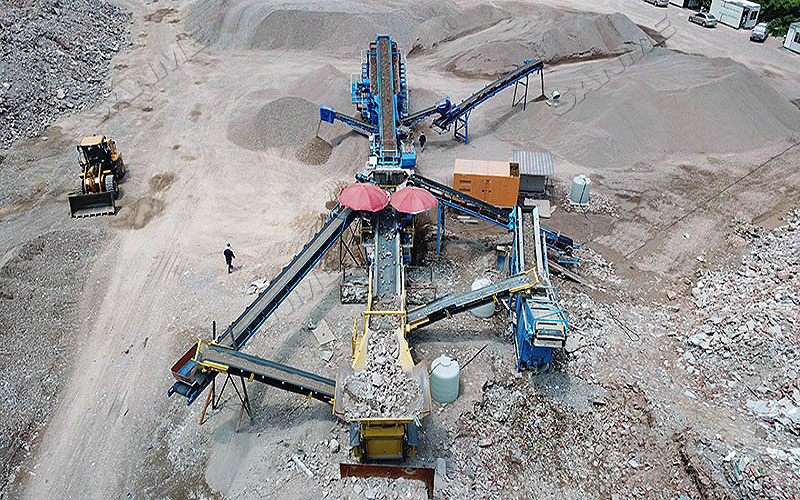
System integration of multiple treatment equipment to form a complete construction waste treatment line, which can improve processing efficiency and resource utilization. For example, integrating crushers, screening machines and washing equipment can realize the full process management from raw material processing to final products. In addition, the introduction of automated control systems can realize real-time monitoring and optimize operations, improving the stability and reliability of the system.
3. Application of energy-saving and consumption-reducing technology
The application of energy-saving and consumption-reducing technologies is of great significance to reducing operating costs and environmental impacts. For example, the use of variable frequency drive technology can adjust the operating speed of the equipment according to the actual load, thereby reducing energy consumption; improving the cooling system can improve the working efficiency of the equipment and reduce energy consumption.